Deciphering "Daniel Vorcaro Cadeia": A Search Beyond Ancient Texts
In the vast landscape of online information, specific search queries often lead users down unexpected paths. One such query, "Daniel Vorcaro Cadeia," presents an intriguing case. Many individuals searching for this phrase, particularly in the context of history or religious texts, might initially encounter information related to the biblical Book of Daniel or the ancient prophet Daniel. However, as our investigation will reveal, the phrase "Daniel Vorcaro Cadeia" itself is conspicuously absent from established biblical narratives and historical accounts pertaining to the revered prophet.
This article aims to clarify this distinction, providing a comprehensive understanding of why "Daniel Vorcaro Cadeia" does not appear in biblical history, while simultaneously offering valuable insights into the renowned biblical figure, Daniel, and the profound prophecies contained within the Book of Daniel. We will explore the potential origins of such a search query and guide readers toward accurate information, whether their interest lies in ancient scripture or contemporary contexts.
The Elusive "Daniel Vorcaro Cadeia" in Historical Records
When meticulously examining ancient texts, historical archives, and scholarly commentaries surrounding the biblical Book of Daniel, one finds no mention of a character or event described by the phrase "Daniel Vorcaro Cadeia." The name "Vorcaro" and the term "Cadeia" do not appear within the original Hebrew or Aramaic texts of the Book of Daniel, nor are they referenced in traditional interpretations or historical summaries of the prophet's life and times.
This absence is a crucial point for anyone embarking on research into this specific phrase. Unlike the well-documented stories of Daniel in the lions' den, his interpretation of Nebuchadnezzar's dreams, or his visions of future empires, "Daniel Vorcaro Cadeia" simply does not exist within the scope of biblical scholarship. This firmly establishes that if information about "Daniel Vorcaro Cadeia" is being sought, the biblical Book of Daniel is not the correct source. For a deeper dive into this specific lack of connection, you might find
Daniel Vorcaro Cadeia: Uncovering Its Absence in Biblical Texts to be an illuminating read.
Why the Biblical Book of Daniel Doesn't Mention It
The biblical Book of Daniel is a profound work of prophecy and narrative, set during the Babylonian exile. It details the life and visions of Daniel, a young Jewish man taken captive to Babylon, who rises to prominence through divine wisdom and unwavering faith. The book focuses on:
* **Daniel's Early Life and Training:** His wisdom and refusal to defile himself with royal food.
* **Dream Interpretations:** His ability to interpret Nebuchadnezzar's dreams, revealing future kingdoms.
* **Miraculous Deliverances:** Shadrach, Meshach, and Abednego in the fiery furnace, and Daniel in the lions' den.
* **Apocalyptic Visions:** Complex prophecies concerning the rise and fall of empires, the coming of the Messiah, and the end times.
Within this rich tapestry, every character and significant event is intricately woven into the narrative to convey its theological and historical messages. The absence of "Daniel Vorcaro Cadeia" therefore strongly indicates that it does not pertain to the biblical Daniel or the events described in his book. It's essential for researchers to understand that the biblical narrative is complete in its own context, and extraneous names or terms would fundamentally alter its established understanding.
Exploring the True Biblical Daniel: A Man of Faith and Prophecy
Given the frequent searches for "Daniel Vorcaro Cadeia" that might inadvertently lead to biblical texts, it's worthwhile to refocus on the authentic and incredibly impactful figure of the biblical Daniel. Understanding his true story provides context and valuable insights into ancient history, religious steadfastness, and prophetic literature.
Who Was the Prophet Daniel?
The biblical Daniel was a Jewish prophet whose life story is primarily chronicled in the Book of Daniel. He was a young man of noble lineage, among the first group of Jews exiled from Jerusalem to Babylon during the reign of King Jehoiakim (around 605 BCE). Alongside his companions Hananiah, Mishael, and Azariah (who were renamed Shadrach, Meshach, and Abednego by the Babylonians), Daniel distinguished himself through his piety, wisdom, and exceptional ability to interpret dreams and visions.
His unwavering commitment to God, even in a foreign and idolatrous land, is a central theme of his narrative. He served under several Babylonian and Persian kings, including Nebuchadnezzar, Belshazzar, Darius the Mede, and Cyrus the Great, earning respect and high positions due to his unparalleled wisdom and divine favor.
Key Narratives and Prophetic Visions
Daniel's life is marked by several iconic stories that demonstrate his faith and God's intervention:
* **Refusal of Royal Food (Daniel 1):** Daniel and his friends chose a vegetarian diet to avoid defiling themselves, yet they appeared healthier than those who ate the king's rich food. This early display of conviction set the tone for his life.
* **Interpretation of Nebuchadnezzar's Dream (Daniel 2):** Daniel was the only one capable of both recalling and interpreting the king's forgotten dream of a great statue representing successive world empires. This established his reputation as a man blessed with divine insight.
* **The Fiery Furnace (Daniel 3 - featuring his companions):** Though not Daniel himself, the miraculous deliverance of Shadrach, Meshach, and Abednego from the fiery furnace for refusing to worship an idol is a powerful testament to the faith shared by Daniel and his friends.
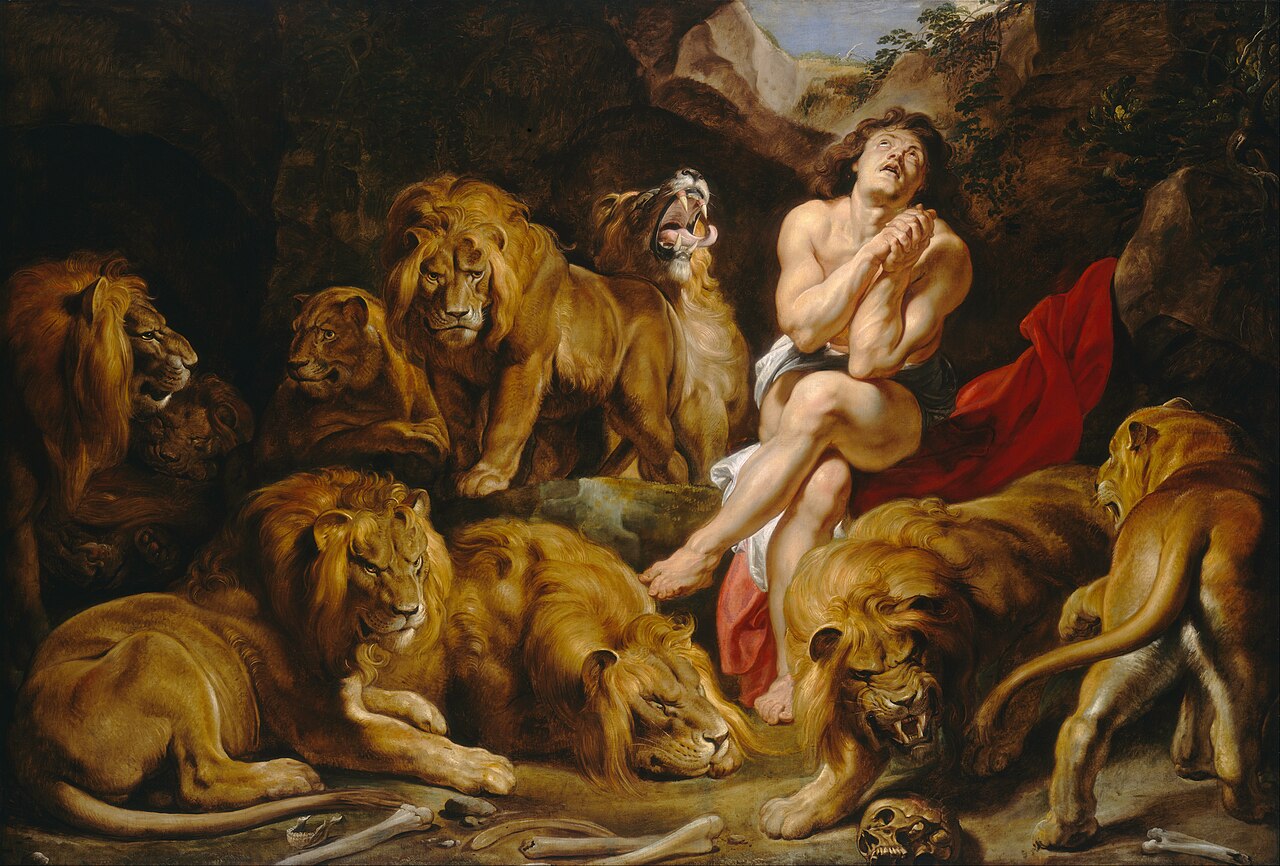
* **Daniel in the Lions' Den (Daniel 6):** Perhaps the most famous story, Daniel was cast into a den of lions for defying a decree that forbade prayer to any god but the king. He was miraculously preserved overnight, demonstrating God's protection over those who honor Him.
* **Visions of Empires and End Times (Daniel 7-12):** The latter half of the book is filled with complex apocalyptic visions detailing the rise and fall of various empires (represented by beasts and horns), the struggle between good and evil, the coming of the Messiah, and the ultimate establishment of God's eternal kingdom. These prophecies have profoundly influenced theological thought for millennia.
These narratives provide rich moral and spiritual lessons, emphasizing themes of divine sovereignty, human faithfulness, and the triumph of good over evil. If your initial search for "Daniel Vorcaro Cadeia" was intended to lead to this biblical figure,
Searching 'Daniel Vorcaro Cadeia'? Discover the Biblical Daniel offers a direct pathway to understanding his profound legacy.
The Enduring Legacy of the Book of Daniel
Beyond the life of the prophet, the Book of Daniel itself stands as a cornerstone of both Jewish and Christian scripture, offering deep insights into theology, history, and eschatology (the study of end times).
Themes and Historical Context
The Book of Daniel is unique for its blend of narrative and apocalyptic literature. Its core themes include:
* **God's Sovereignty:** Demonstrating God's control over human history and the rise and fall of nations.
* **Faithfulness in Exile:** Providing a model for how believers can maintain their integrity in a hostile cultural environment.
* **Divine Revelation:** Emphasizing God's ability to reveal future events to His chosen servants.
* **Messianic Hope:** Containing prophecies that are understood by Christians to point directly to Jesus Christ.
Historically, the book provides a fascinating glimpse into the Babylonian and Persian empires, offering details that complement secular historical accounts. Its apocalyptic visions, written in symbolic language, resonated deeply with communities facing oppression, offering hope that God would ultimately triumph.
Daniel's Impact on Religious Thought
The Book of Daniel has had an enormous impact on religious thought. Its prophecies have been studied for centuries, influencing interpretations of world events and eschatological timelines. The concept of "seventy weeks" in Daniel 9, for instance, is one of the most intensely debated and analyzed prophecies in biblical scholarship.
Moreover, Daniel's unwavering character has served as an inspiration for countless individuals throughout history, representing courage, wisdom, and steadfast devotion to one's principles in the face of adversity. His stories are taught in religious education globally, emphasizing moral integrity and trust in God.
Navigating Information: When Your Search Leads Elsewhere
The experience of searching for "Daniel Vorcaro Cadeia" and encountering information about the biblical Daniel highlights an important aspect of online research: understanding potential misdirection or alternate meanings.
The term "Cadeia" is a word of Portuguese origin, meaning "chain" or "jail." This linguistic clue suggests that "Daniel Vorcaro Cadeia" might not refer to an ancient biblical figure at all, but rather to a modern individual named Daniel Vorcaro who may be associated with a legal context, a news story involving incarceration or a metaphorical "chain" of events.
Tips for Effective Online Research
When your initial search doesn't yield expected results, or you encounter information that seems unrelated, consider these tips:
1.
Refine Your Keywords: If you're looking for a contemporary person, try adding terms like "news," "biography," "company," or "arrest" to "Daniel Vorcaro." If you're certain it's a biblical reference, ensure your search terms are precise to the biblical context.
2.
Check Multiple Sources: Relying on a single search result can be misleading. Cross-reference information from various reputable sources.
3.
Consider Language and Context: As with "Cadeia," a single word can significantly alter the meaning and direction of a search. Be aware of the potential for foreign language terms or specialized jargon.
4.
Be Specific with Timeframes: If you're looking for historical figures, specifying an era (e.g., "Daniel Vorcaro 20th century") can help.
5.
Distinguish Fact from Fiction: In the digital age, fictional characters, urban legends, or even hoaxes can appear alongside factual information. Always evaluate the credibility of your sources.
By applying these strategies, users can more effectively navigate the complexities of online searches and pinpoint the specific information they are truly seeking, whether it relates to a modern individual or an ancient prophet.
Conclusion
In conclusion, the phrase "Daniel Vorcaro Cadeia" holds no connection to the biblical Book of Daniel or the revered prophet Daniel. Extensive historical and scriptural analysis confirms its absence from these ancient texts. While the exact origin of this specific search query remains outside the scope of biblical commentary, the presence of the Portuguese word "Cadeia" suggests a possible modern or non-biblical context, perhaps relating to an individual named Daniel Vorcaro and an event involving "chains" or "jail."
For those whose search for "Daniel Vorcaro Cadeia" inadvertently led them to the biblical narrative, we hope this article has provided clarity and a deeper appreciation for the true legacy of the prophet Daniel. His story of faith, wisdom, and prophecy continues to inspire and inform millions worldwide, standing as a timeless testament to divine sovereignty and human perseverance. Understanding the distinction between such a specific search query and the rich tapestry of biblical history is key to effective and informed exploration of knowledge.